Not simply asking for opinions.
Not inviting people to comment on decisions already made.
But bringing lived experience, clinical knowledge, and design expertise together to shape what happens next.
For too long, mental health care environments have been shaped by decisions made on behalf of the people who use them.
Historically, care was often experienced as something done to people. More recently, services and environments have increasingly been developed *for* people, with greater recognition of their needs, preferences, and experiences.
But what happens when we move beyond both approaches?
What becomes possible when care models, treatment planning, and the physical environments that support them are developed with the people who experience them?
This is the opportunity that genuine co-design and co-production offer.
It begins with recognizing that people with lived experience bring invaluable knowledge that cannot be gained through professional training alone. That clinicians and care providers understand the practical realities of delivering care. And that architects, designers, and healthcare organizations bring the expertise needed to translate these perspectives into environments that are safe, supportive, and therapeutic.
The challenge is not simply bringing these voices together. It is ensuring that each has a meaningful opportunity to influence decisions, shape priorities, and contribute to outcomes.
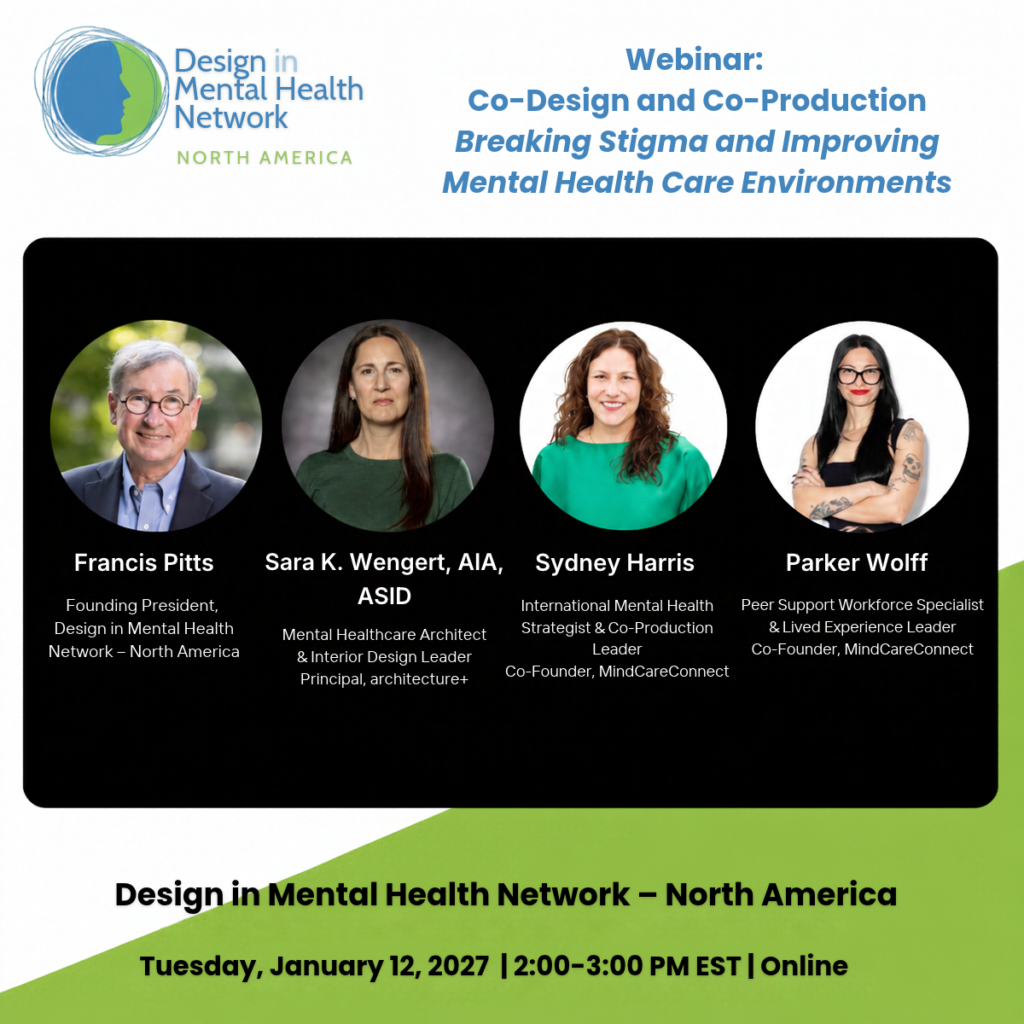
This webinar from the Design in Mental Health Network – North America (DiMHN-NA) brings together expertise in mental healthcare architecture, lived-experience co-production, peer leadership, and systems transformation to explore what meaningful collaboration looks like in practice.
Drawing on experience from major mental health facility redesign projects, statewide healthcare planning, and initiatives that place lived experience at the heart of decision-making, our speakers will examine how co-design and co-production can move beyond good intentions to deliver meaningful change.
Moderated by Francis Pitts, the panel will explore how these approaches are helping to shape mental health care environments across North America, what can be learned from established practices in the UK, and how genuine collaboration can lead to environments that better support dignity, autonomy, safety, connection, and recovery.
Because breaking stigma is not only about changing the language we use.
It is also about changing the environments we create, the relationships we build, and, crucially, who has a voice in the decisions that shape people’s experiences of care.
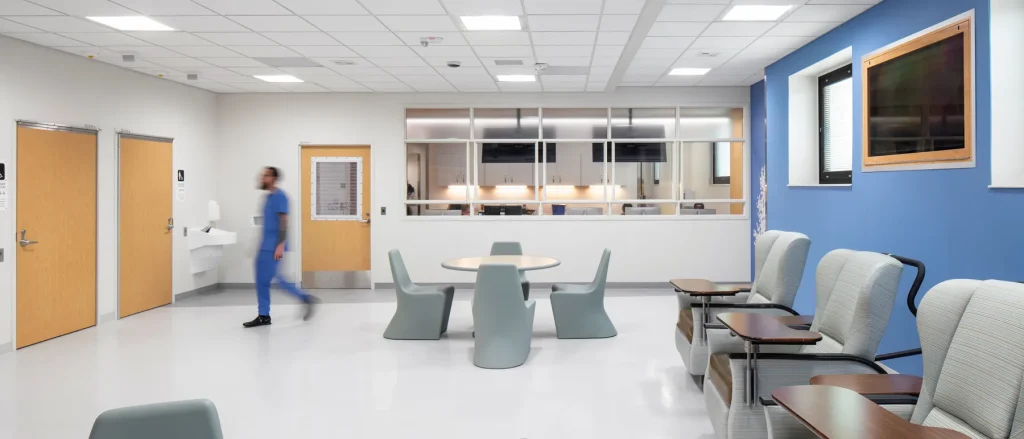
Imagine two approaches to designing a new mental health facility.
In the first, a project team develops a design and invites people with lived experience to provide feedback once the main decisions have already been made.
In the second, people with lived experience are involved from the beginning, helping define what the environment needs to achieve, set priorities, question assumptions, and shape decisions alongside clinicians, designers, and care providers.
Both approaches involve engagement.
But they are not the same.
The difference lies in when people are involved, how their contributions are valued, and whether they have a genuine opportunity to influence the outcome.
During this webinar, our speakers will examine how that distinction plays out in real projects.
They will consider how lived experience can reveal aspects of mental health environments that might otherwise be overlooked, from privacy and personal control to relationships, sensory experiences, and the everyday realities of receiving care.
They will also explore the challenges.
Different stakeholders may have competing priorities. Clinical and operational requirements can create constraints. Budgets, timelines, and established processes can limit opportunities for participation.
Meaningful co-production does not make these challenges disappear.
It creates an opportunity to understand them more fully and work through them together.
The goal is not simply to make everyone agree. It is to make better-informed decisions through a more inclusive process.
The discussion will also look beyond individual buildings.
If recovery-oriented care depends on partnerships between people receiving care and those providing it, how can the environments supporting that care be developed through the same principles?
And what needs to change within healthcare organizations to make co-production a normal part of planning, design, and service development?
By bringing together North American experience and lessons from the UK, the panel will explore both the possibilities and the practical steps needed to move forward.
This webinar is for anyone involved in shaping the future of mental health care environments, including:
Whether you are beginning to explore co-design or already working to embed co-production within your organization, this conversation will offer perspectives, examples, and practical questions to inform your work.

Sydney Harris is an international mental health strategist dedicated to transforming mental healthcare through person-centered, accessible, and holistic approaches.
As Co-Founder of MindCareConnect, she is advancing lived-experience co-production in the United States, developing frameworks and policy pathways that enable people with lived experience to become equal partners in shaping mental healthcare.
Sydney has led major initiatives, including the Austin State Hospital Redesign, and cross-sector collaborations addressing the intersections of mental health crises, homelessness, and the justice system.
She is co-editor of Redesigning the U.S. Mental Health Care System (Oxford University Press), to which she contributed two chapters, and recipient of the George Pressler Under 40 Award, recognizing leadership and vision in healthcare planning, design, construction, and operations.
Sydney is currently pursuing a Doctorate in Public Health at Johns Hopkins University.

Parker Wolff is a nationally recognized peer support workforce specialist and lived experience leader.
She was named the 2024 SAMHSA STAR Peer Support Worker of the Year, becoming the award’s inaugural recipient.
With more than a decade of experience developing peer support programs within state psychiatric hospitals, Parker brings together firsthand experience of psychiatric care and extensive institutional knowledge.
She is Co-Founder of MindCareConnect, an international speaker on peer workforce development and the value of lived experience as professional expertise, and has been actively advising founding members of the Design in Mental Health Network – North America Board.
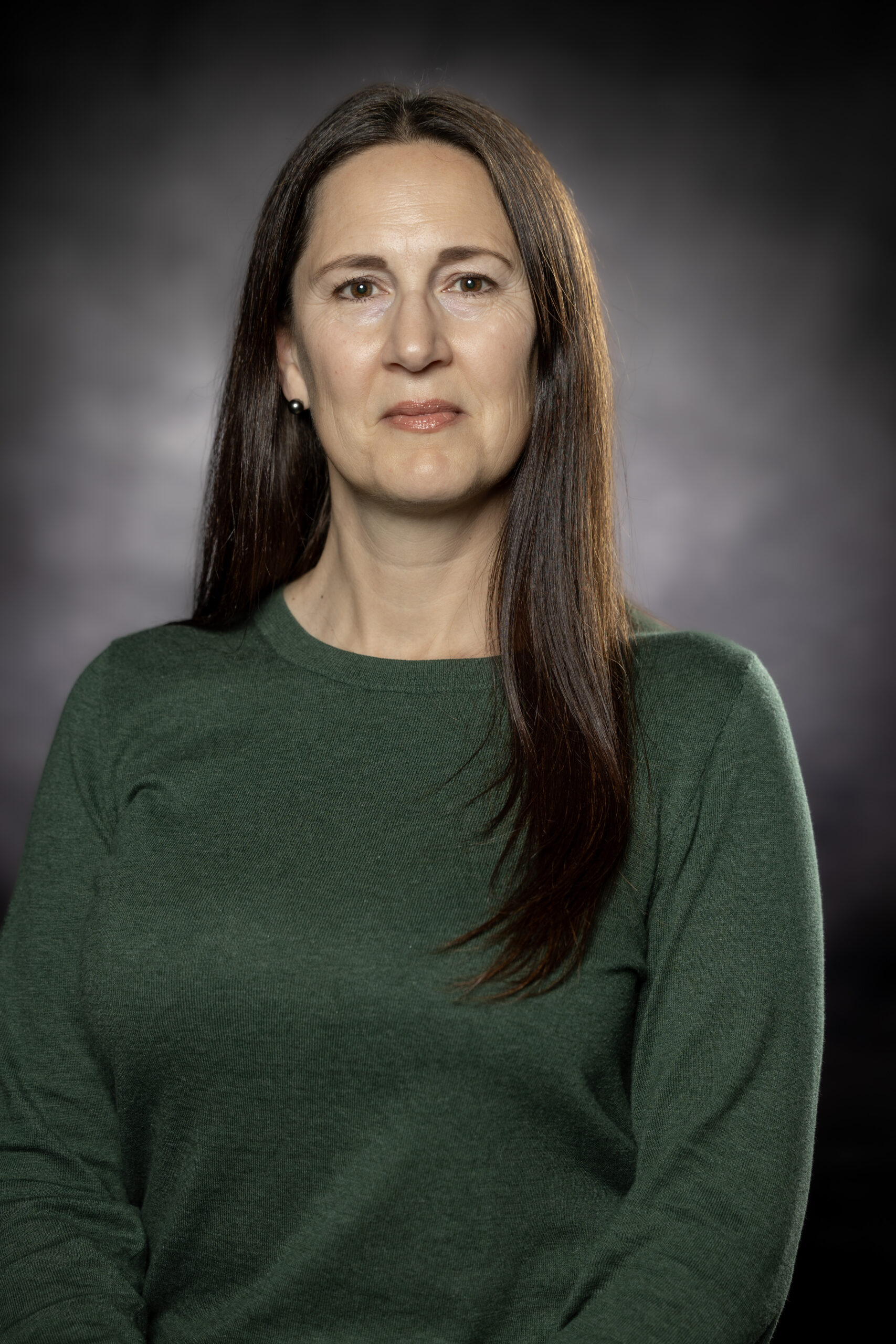
Sara K. Wengert is a Principal at architecture+, where she leads national mental healthcare projects as both Principal-in-Charge and Lead Interior Designer.
She directs the firm’s Statewide Campus Master Plan work with the New York State Office of Mental Health (NYS-OMH), providing planning services for eleven campuses across New York State. Her work also includes the development and publication of the Patient Safety Standards, Materials, and Systems Guidelines, a resource widely referenced across the United States.
Sara leads architecture+’s research and development efforts focused on products and building systems that support both safety and therapeutic care.
Her approach emphasizes collaboration throughout the design process, from initial visioning and programming through construction and furniture installation, with a strong commitment to environments that foster healing and recovery.
Sara has also contributed to the Health Guidelines Revision Committee, helping revise the FGI Guidelines for Design and Construction of Hospitals, including work on the inaugural chapter addressing mental health crisis units.
She is a member of the Center for Health Design’s Behavioral and Mental Health Environments Network.

Francis Pitts is the Founding Principal of architecture+ in Troy, New York, and has spent his career planning and designing mental health care environments.
He has consulted on more than 200 projects involving more than 25,000 mental health beds across the United States and Canada and has long advocated for evidence-informed design in mental health care.
His contributions have been recognized with The Center for Health Design’s 2018 Changemaker Award, the Healthcare Facilities Symposium & Expo’s 2022 Founder’s Award, and the American College of Healthcare Architects’ 2024 Lifetime Achievement Award.
Francis is the founding President of the Design in Mental Health Network – North America and will moderate this multidisciplinary conversation.